JOIN JANE CONTINUING TO MAKE SENSE OF ART
And this month Jane has been exploring the world of William Morris.
What does the name William Morris mean to you?
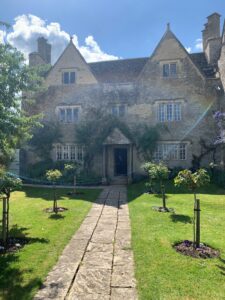
To me his name has always meant Victorian fabrics and wallpapers -rather heavy, solid patterns of flowers and animals – and that was exactly what I expected to see when I visited the newly refurbished Kelmscott Manor in Oxfordshire…….and I did see fabrics and wallpapers, but a whole lot more.
A quick look at Wikipedia and the introduction to his biography is more than enough to make the majority of us feel extremely inadequate!
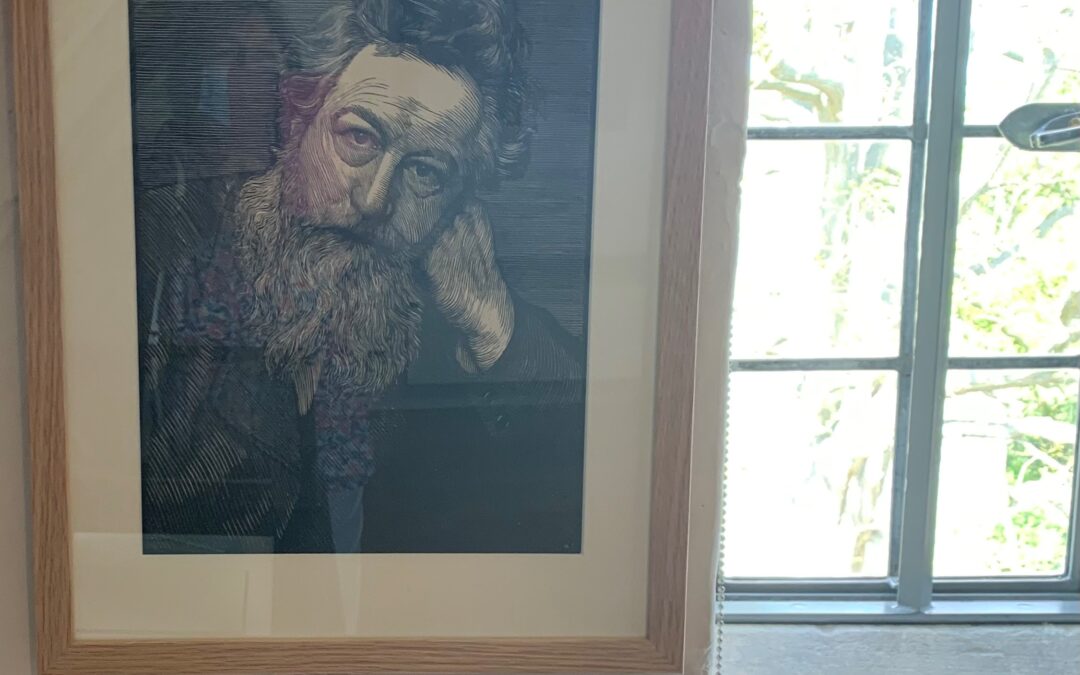
“William Morris (24/03/1834 – 03/10/1896) was a British textile designer, poet, artist, novelist, architectural conservationist, printer, translator and socialist activist associated with the British Arts and Crafts Movement.”
William Morris’s journey to his high profile positions in all these areas was an interesting path – he had an idyllic childhood in the countryside from which his love of nature stems. A private education led him to study theology at Oxford but instead of the original plan of holy orders he went on to study architecture. At this point he met the Pre Raphaelite artists Edward Burne-Jones and Dante Gabriel Rossetti who became his closest friends and highly influenced his ideas in the links between art and architecture. It was also at this time that he married Jane Burden – more about her later!
In 1861 William Morris founded a decorative arts firm with several other like minded artists and craftsmen and it quickly became highly fashionable and profoundly influenced interior design throughout the Victorian era and beyond. Morris specialised in tapestries, wallpapers, fabrics, furniture and stained glass.
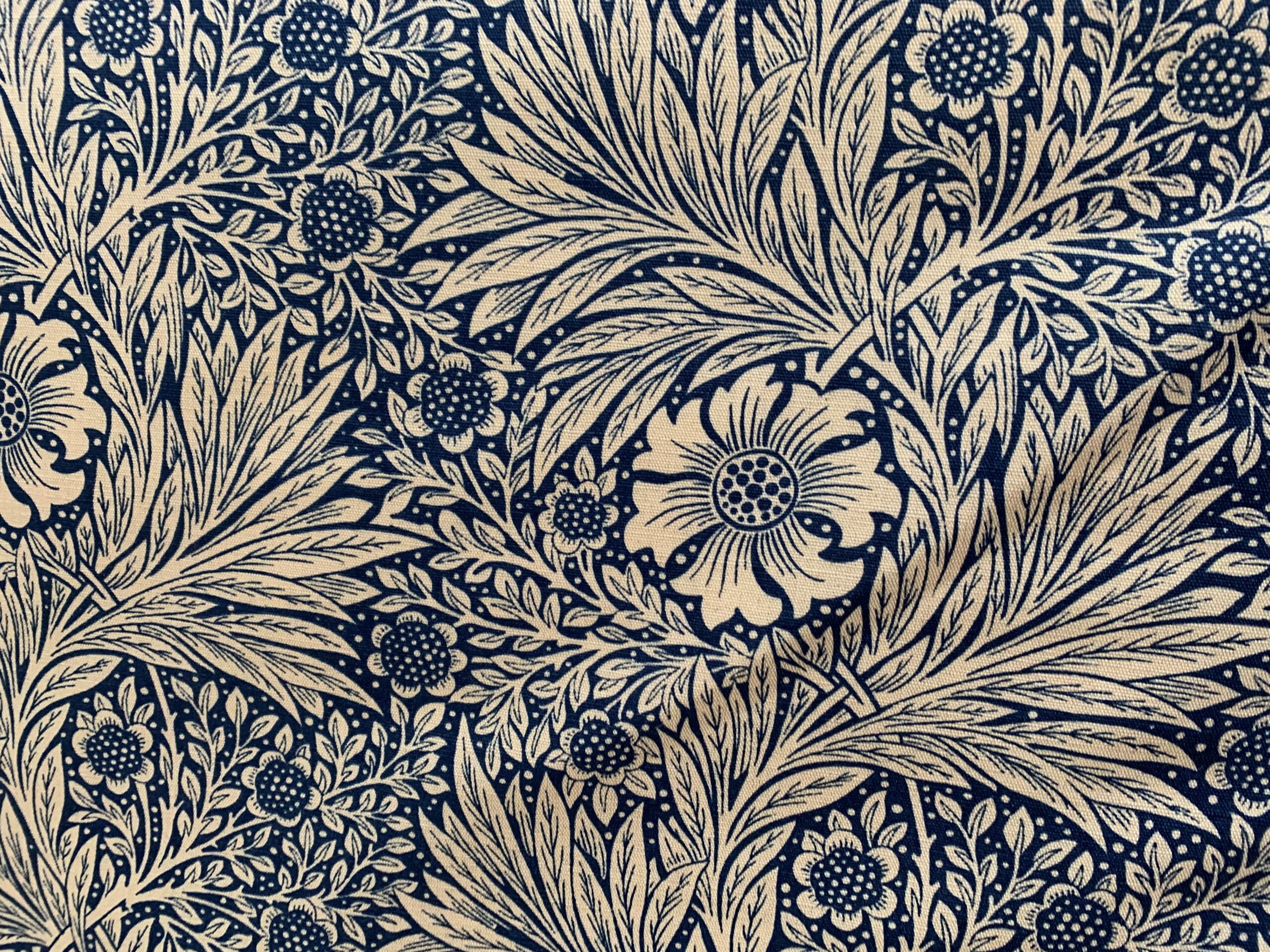
This company, Morris and Co actually traded until 1940 – a testament to the longevity of Morris’ designs.
Kelmscott Manor became the country/summer home of the Morris family in 1871 and William described it as “Heaven on earth”. The whole family – his wife and two daughters loved the seclusion but they were often there without William as he was off travelling. Indeed, for a couple of years they shared the house with Dante Gabriel Rossetti with whom Jane Morris had an affair.
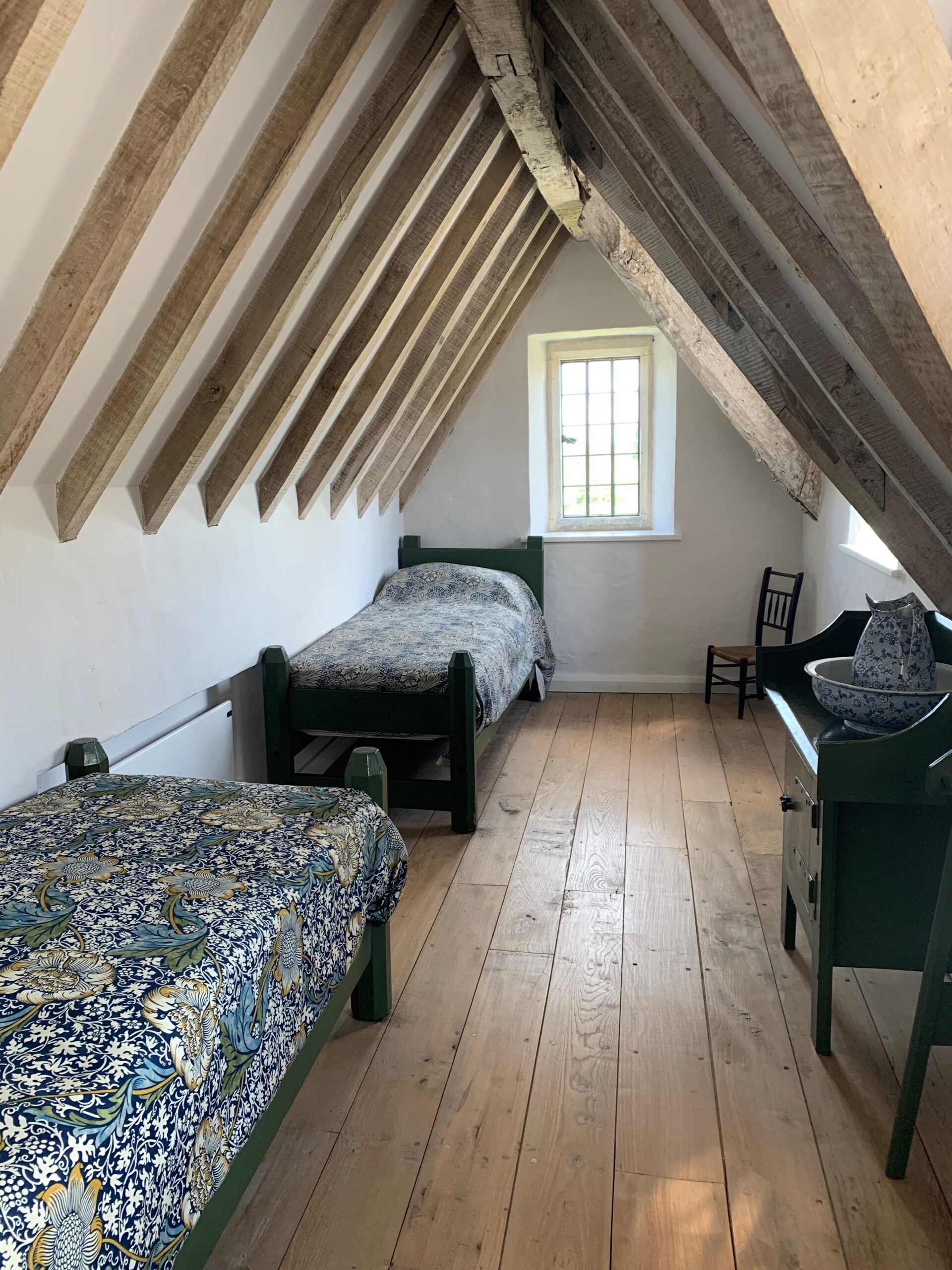
The house is rather minimalist in style but is a great showcase for the fabrics and wallpapers for which William Morris is so well known.

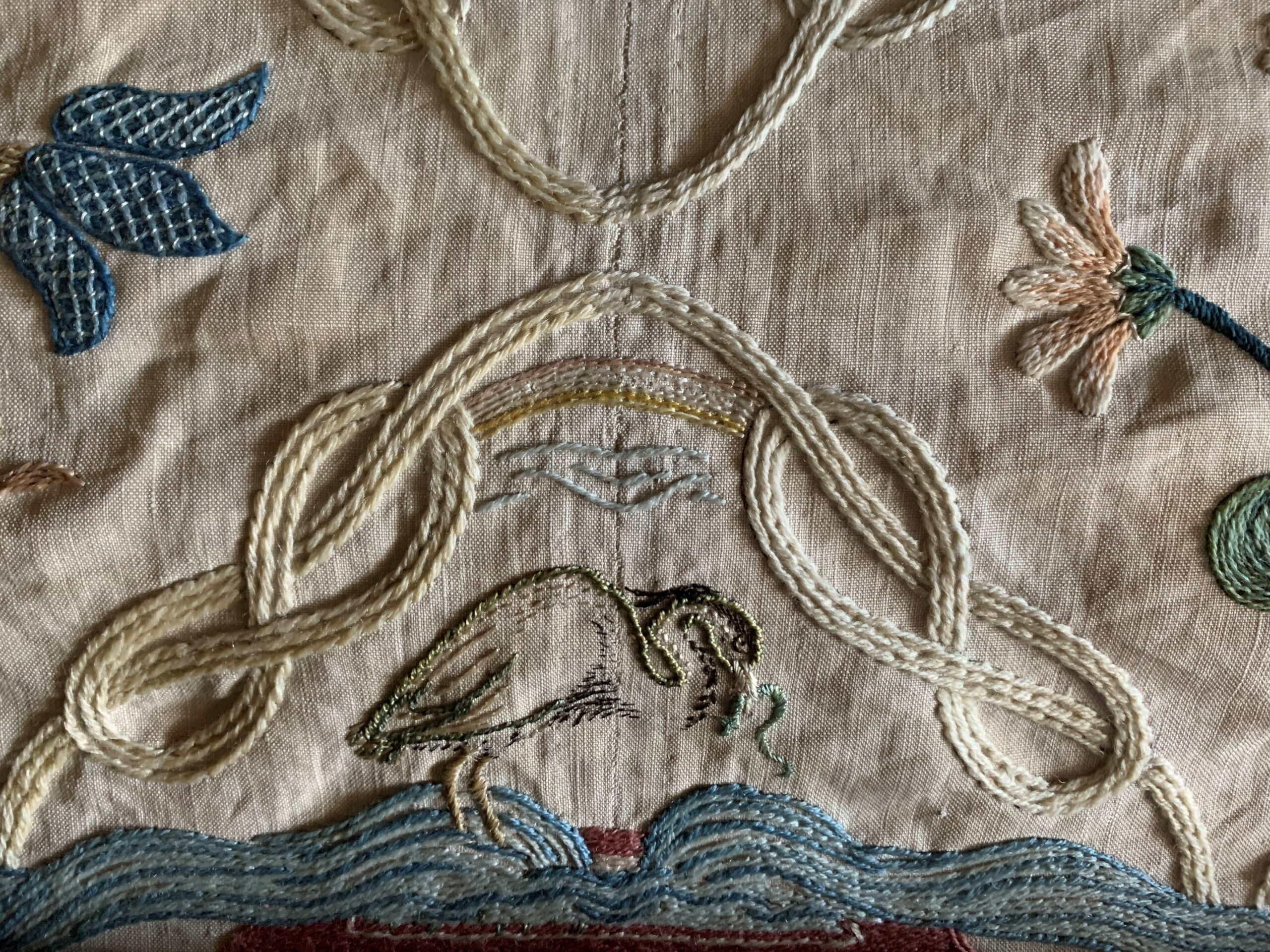
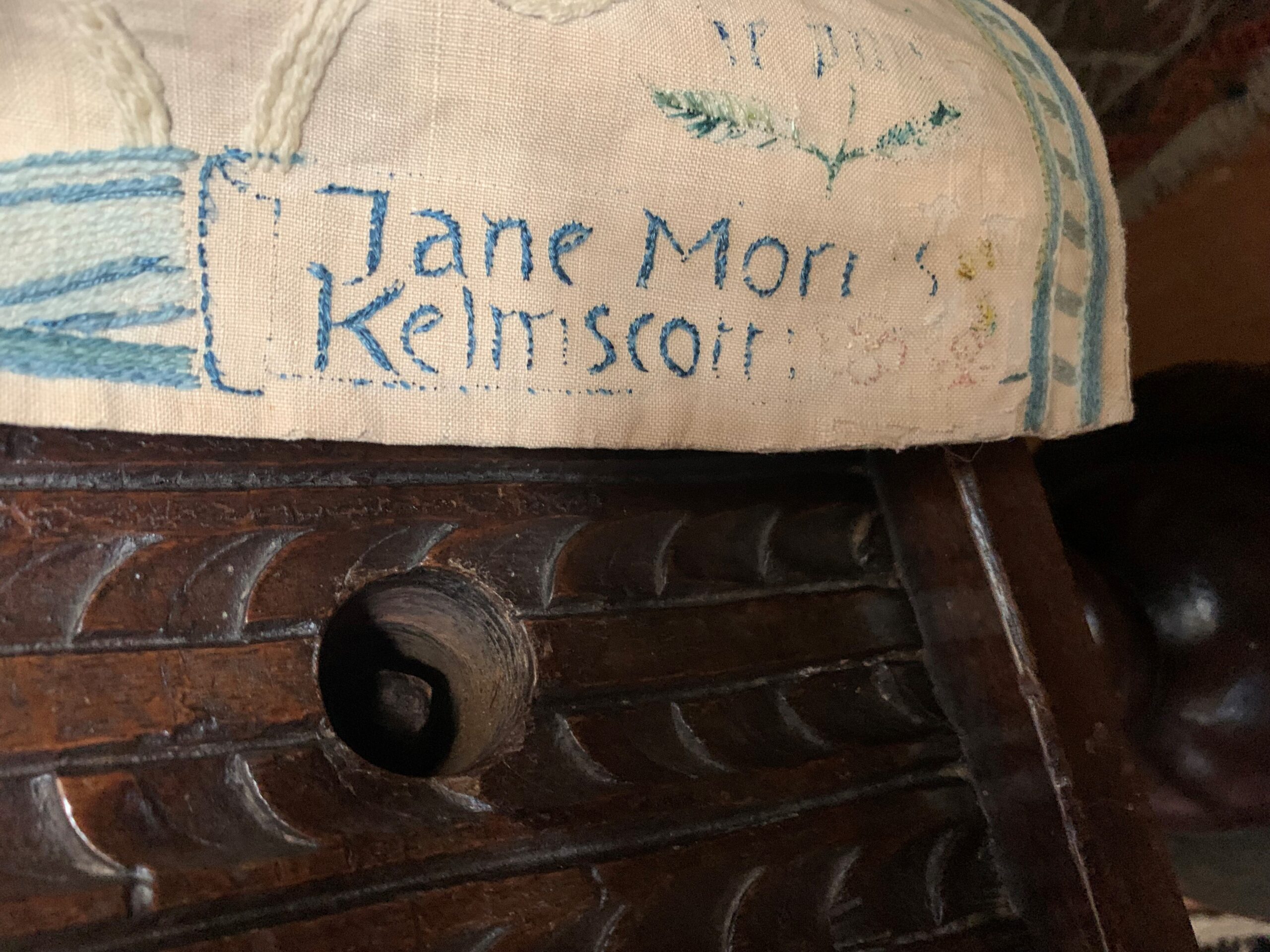
Jane Morris and her daughters, Jenny and May were also extremely talented crafts women. The bedspread below is absolutely exquisite and is signed at the bottom by Jane Morris. Around the top of the bed is a poem by William, embroidered by Jane.
It is hard to believe that in his life time William Morris was best known as a poet. “The Earthly Paradise” was a long narrative poem that brought him fame in the 1860s. It was basically a rant against the Industrial Revolution – about the ruination of the land, the polluted rivers and the poisoned air. His horror to what was happening in Britain led him to his well documented travels in Iceland. Whilst loving the ‘civilised’ nature he had grown up with, he yearned harsher scenery – and this he found in Iceland. He also discovered a more minimalistic lifestyle there which he loved and then emulated in his life at Kelmscott Manor.
He learnt Icelandic and during his travels translated the Icelandic Sagas into English. He then wrote “Sigurd the Volsung and the Fall of the Niblungs”, a 4 part Icelandic epic, published to great acclaim in 1876.
Following the death of Tennyson, Morris was considered for the post of Poet Laureate in 1892 – as a self proclaimed revolutionary socialist, he could not accept – but such was his standing as a poet!
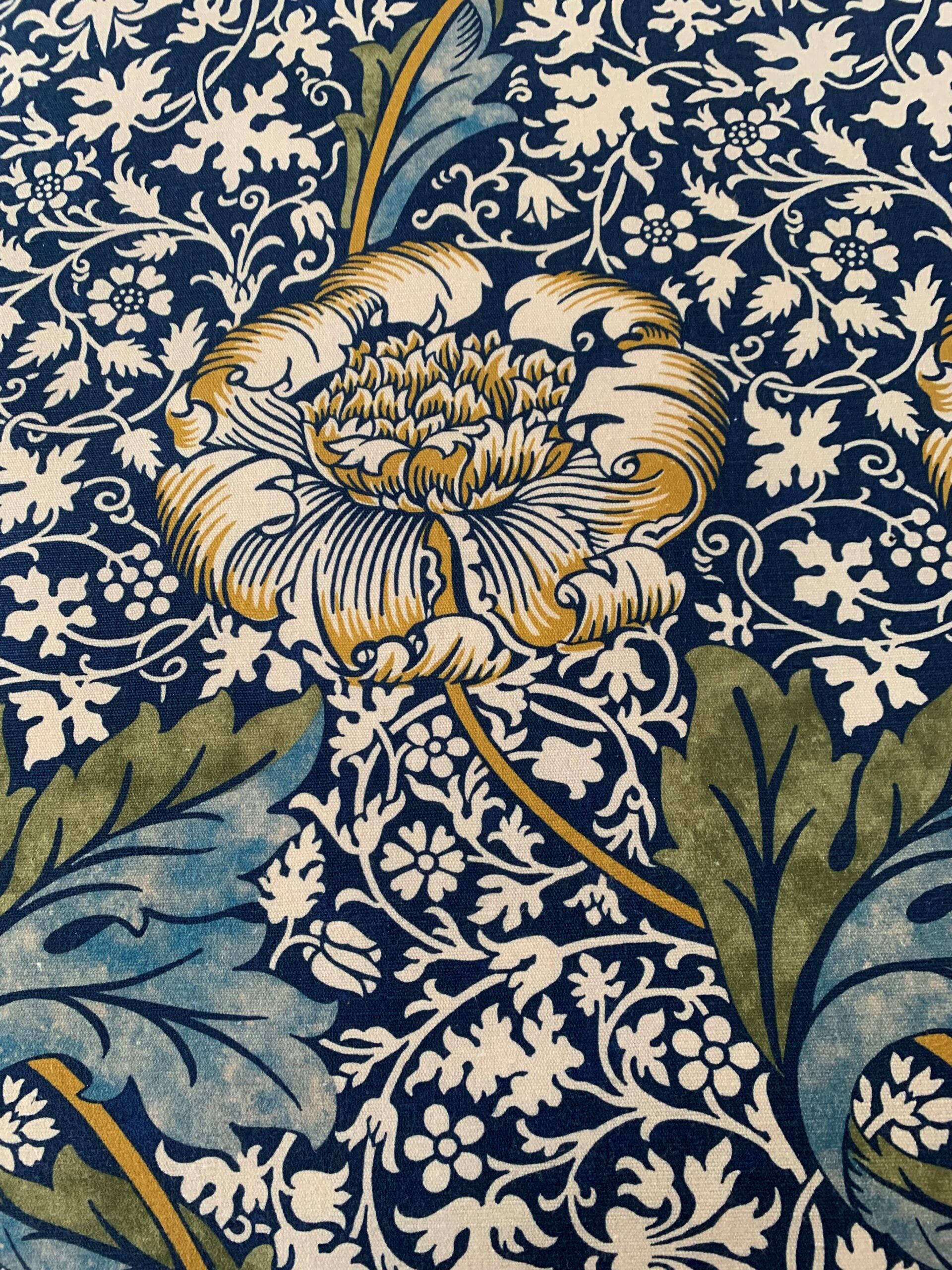
William Morris’s great energy allowed him to work on many projects at the same time – “If a chap can’t compose an epic poem while he’s weaving tapestry – he’ll never do any good at all.”(William Morris), but the heart of everything he did was beauty – and the preservation of it.
My favourite quote of his is the following that we should keep in mind, as it as true today as it was in the Victorian era;
“Have nothing in your houses that you do not know to be useful or believe to be beautiful.”