JOIN JANE CONTINUING TO MAKE SENSE OF ART
And this month Jane is exploring terracotta sculpture.
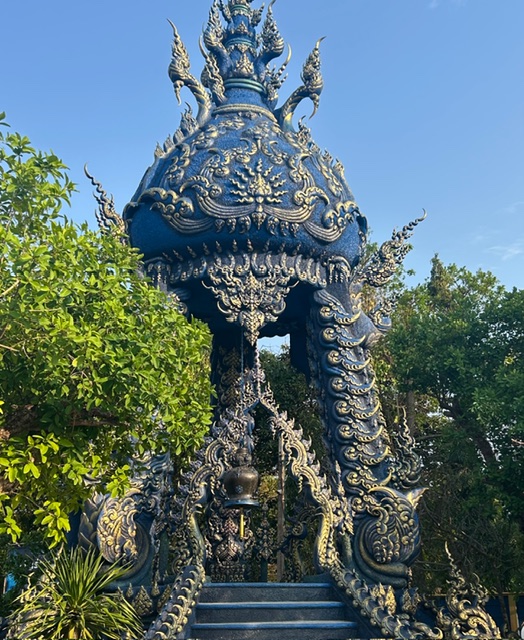
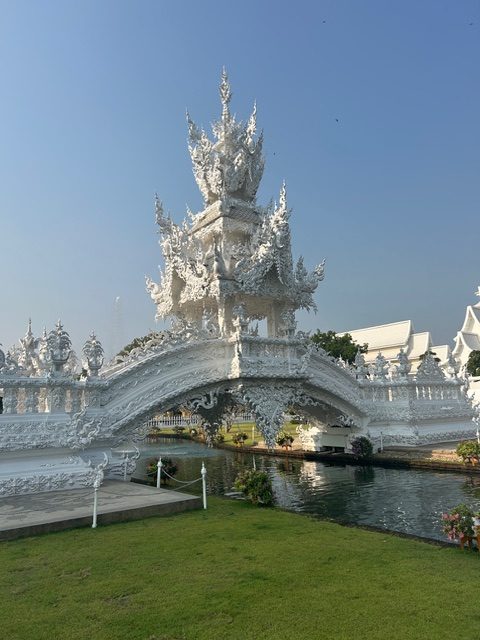
As I hinted in my last newsletter I have recently returned from a fascinating time in Thailand, travelling north from Bangkok to Chaing Rai and Chiang Mai before heading south. Chiang Rai is famous for its Buddhist temples. We visited 2 or the 4 most famous and had reached sensory overload with the Blue Temple and the White Temple – beautiful in a totally over the top disneyesque way.
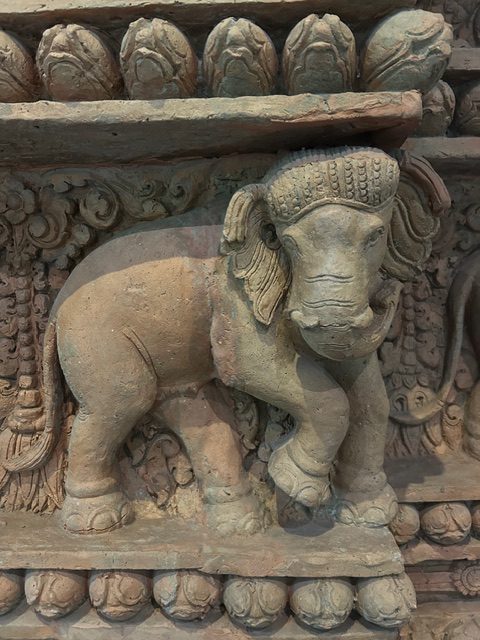
We left Chiang Rai craving subtlety and I was absolutely thrilled when we arrived at our hotel in Chiang Mai – The Phor Liang Meun Terracotta Arts Hotel. Situated in the old town it is full of beautiful terracotta sculpture of all ages.
Of course the most famous terracotta sculpture in the world is The Terracotta Army in China but I haven’t really been aware of it anywhere else. After the ‘onslaught’ of Thai reds and golds – often quite gaudy, it was wonderful to be surrounded by the calmness of one subdued colour.
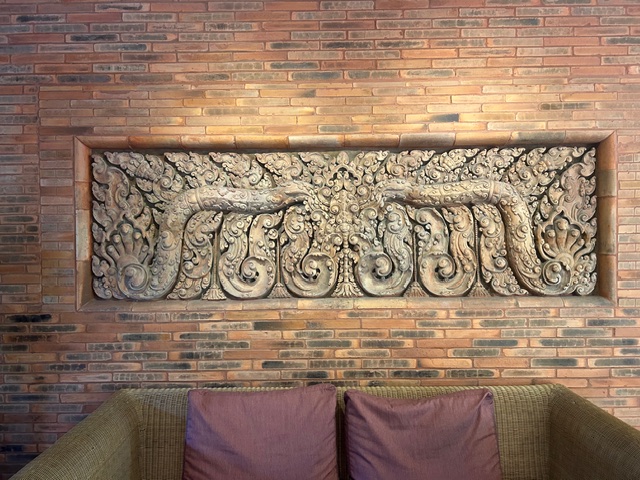
Say the word ‘terracotta’ and most people will think of the burnt orange flower pots in their gardens and probably The Terracotta Army will come up but I had never considered it to be a popular medium for sculpture.
So, what is terracotta? The word comes from the Latin for baked earth and it is a highly porous clay that is fired at relatively low temperatures. In art history the term is used for objects such as figurines not made on a potter’s wheel. Objects from a potter’s wheel are known as earthenware.
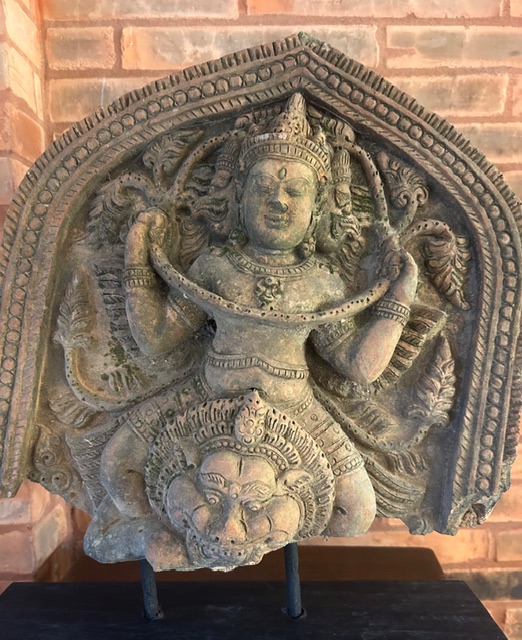
The brownish orange colour comes from the iron content in the earth reacting with oxygen in the firing process.
Sculptors from the earliest civilisations realised that it was a far cheaper, simpler and quicker form of sculpture than stone and it could be fashioned mainly by hand enabling more detail than using chisels and knives.
In Asia terracotta figurines have been discovered dating back to 3000 BC – the famous Terracotta Army dates back to 209 BC and many tomb reliefs have been found from that time.
It didn’t catch on in Europe until the 14th century, led by the Florentine sculptor, Luca della Robbia (1400-1482). He used it to adorn the outsides of many churches and cathedrals in Italy. The large statues were usually either painted or covered in a high gloss white glaze. Two Italian sculptors brought the ‘new’ sculpture form to England. In the late 1400s Torrigiano produced statues and busts of the Tudor Royal Family and in 1521 Giovanni da Maiano sculpted the unglazed busts of the Roman Emperors that can be seen at Hampton Court Palace.
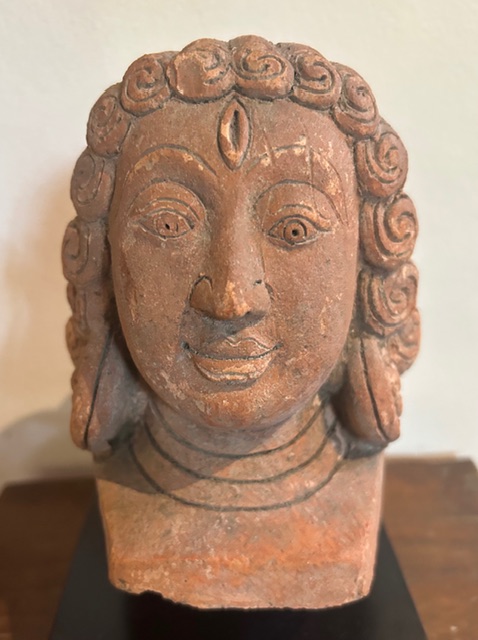
And so to more recent history – terracotta has been used as a medium by artists such as Pablo Picasso, Anthony Gormley and Grayson Perry.
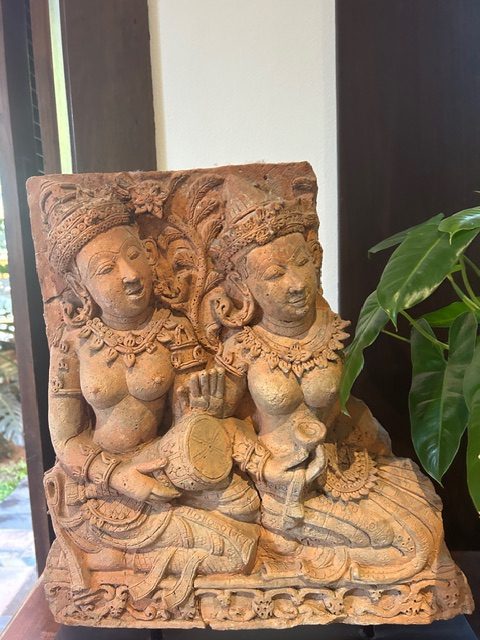
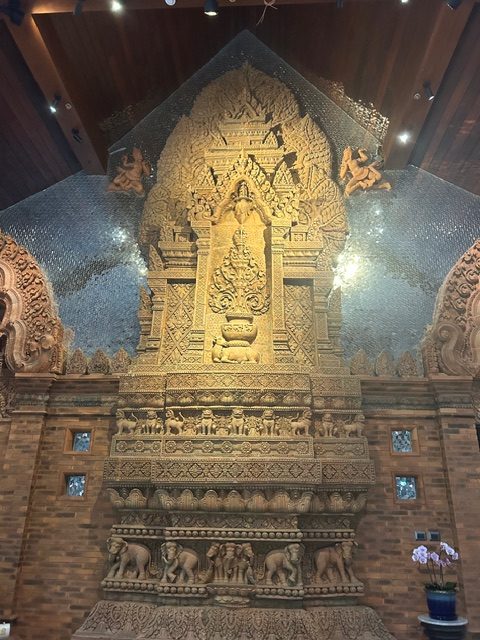
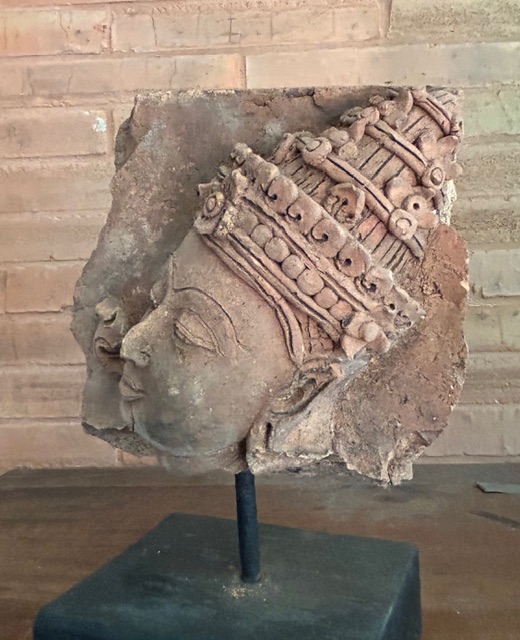
I will leave you with my favourite piece of terracotta relief from Chiang Mai.